Discover Japan
Japan National Holidays
Japan National HolidaysJapan National HolidaysJapan National HolidaysJapan National HolidaysJapan National HolidaysJapan National Holidays
01
New Year's Day (Ganjitsu) - January 1
New Year’s Day is one of Japan’s most significant holidays, marking the start of the new year. Families celebrate by gathering for special meals, including “osechi ryori,” a traditional multi-course meal. Many participate in “hatsumode,” the first shrine visit of the year, to pray for health and happiness. This day is filled with various customs, such as sending New Year’s cards and engaging in traditional games, making it a time of reflection, renewal, and family bonding.
02
Coming of Age Day (Seijin no Hi) - January 8
Coming of Age Day celebrates young people turning 20, the age of legal adulthood in Japan. Ceremonies are held at local city offices, where new adults are congratulated and encouraged to embrace their responsibilities. Many young women wear beautiful kimonos, while men typically don suits or traditional hakama. The day fosters community spirit and emphasizes the importance of maturity, marking a significant transition in the lives of the youth.
03
National Foundation Day (Kenkoku Kinen no Hi) - February 11
National Foundation Day commemorates the legendary founding of Japan by Emperor Jimmu in 660 B.C. The holiday is observed with ceremonies and events that reflect on Japan’s history and identity. Many people visit shrines to honor their ancestors and appreciate the country’s cultural heritage. Although celebrations are not as festive as other holidays, it encourages citizens to contemplate their connection to Japan’s past and aspirations for the future.
04
The Emperor's Birthday (Tennou Tanjoubi) - February 23
The Emperor’s Birthday celebrates the current emperor’s birthday, providing a unique opportunity for the public to show respect for the imperial family. On this day, the Imperial Palace opens its grounds for public access, allowing citizens to greet the emperor and empress. Special ceremonies and events are held across the nation, fostering national pride and reflecting the cultural significance of the emperor in Japanese society.
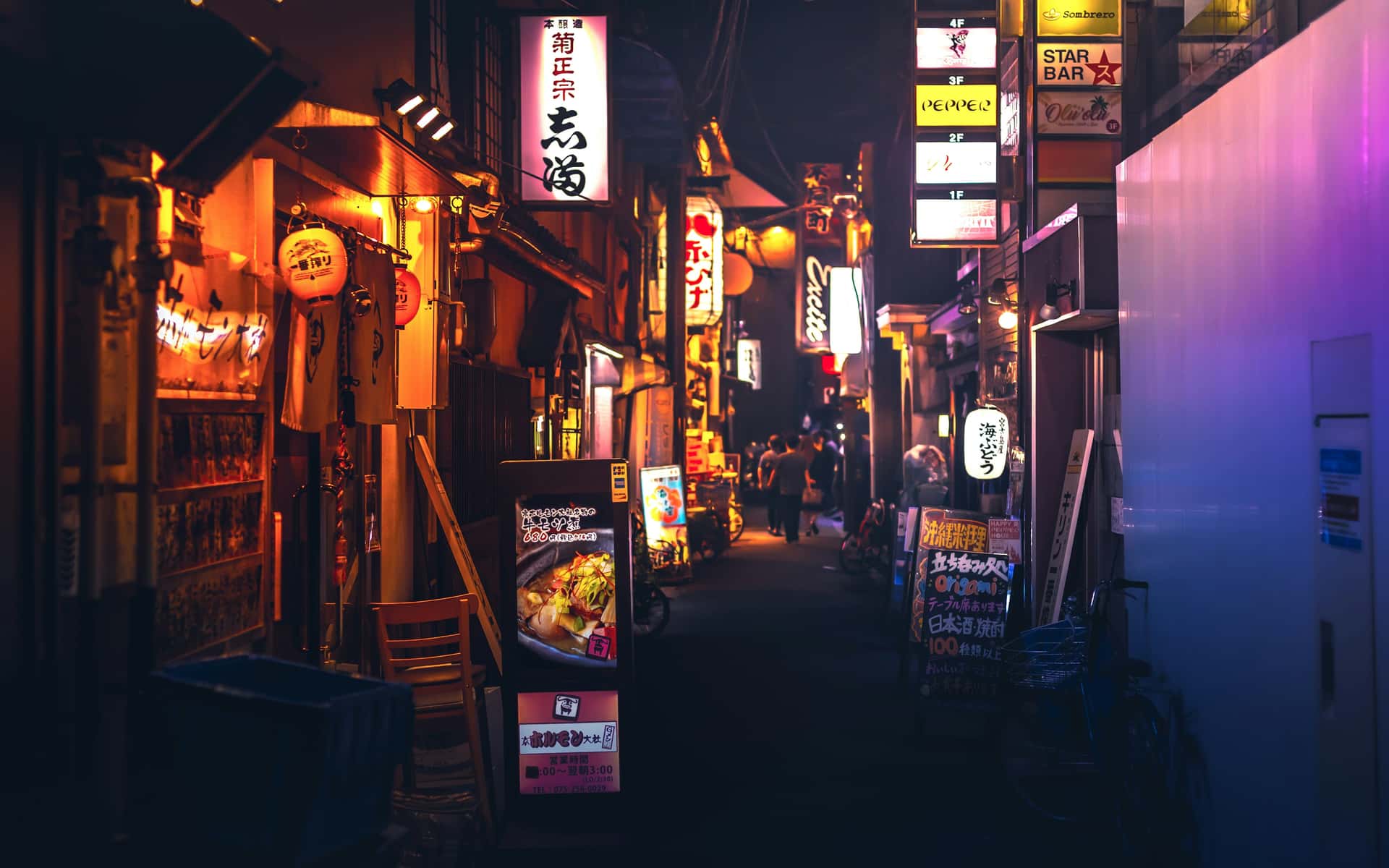
The Emperor's Birthday (Tennou Tanjoubi) - February 23
05
Vernal Equinox Day (Shunbun no Hi) - March 20
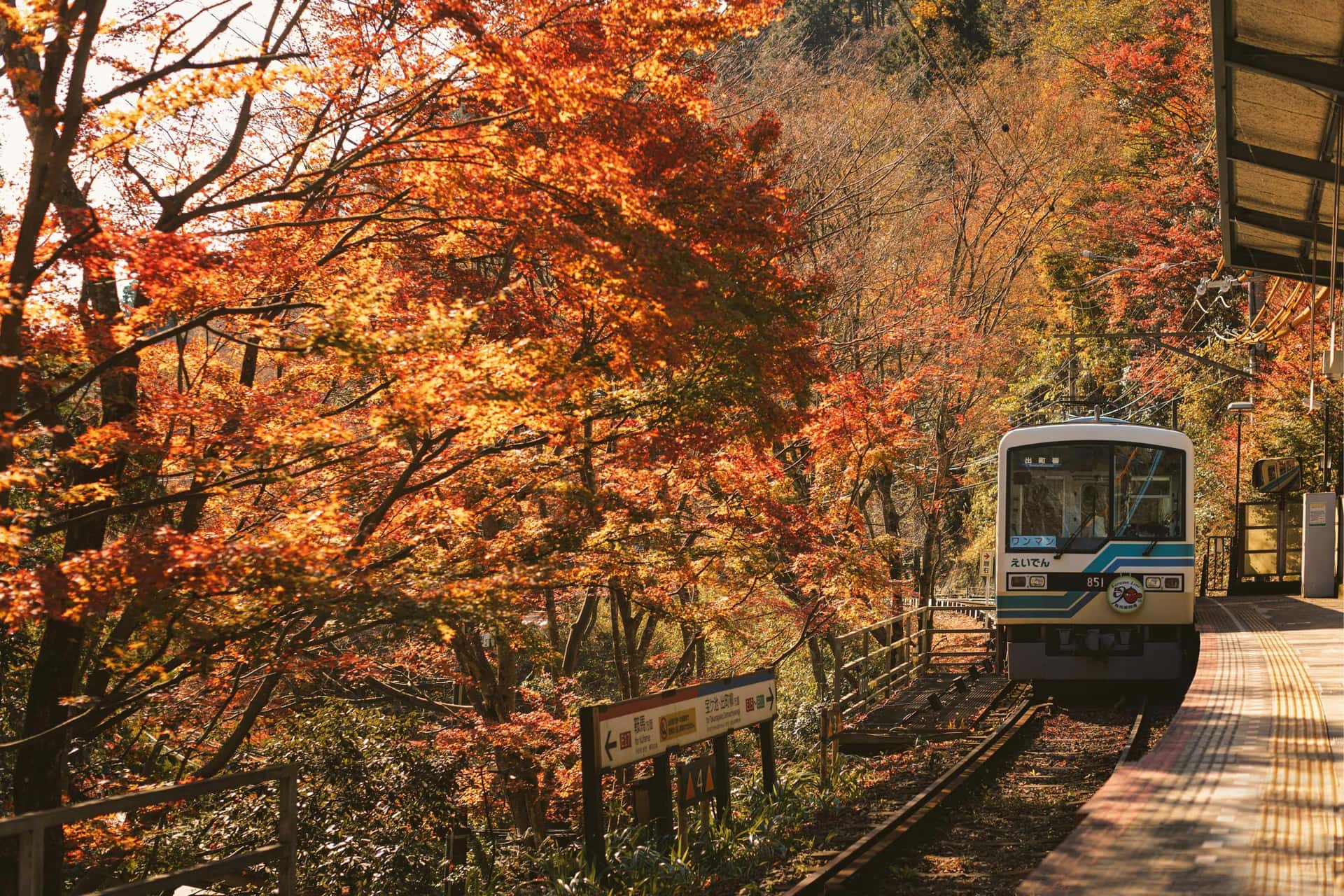
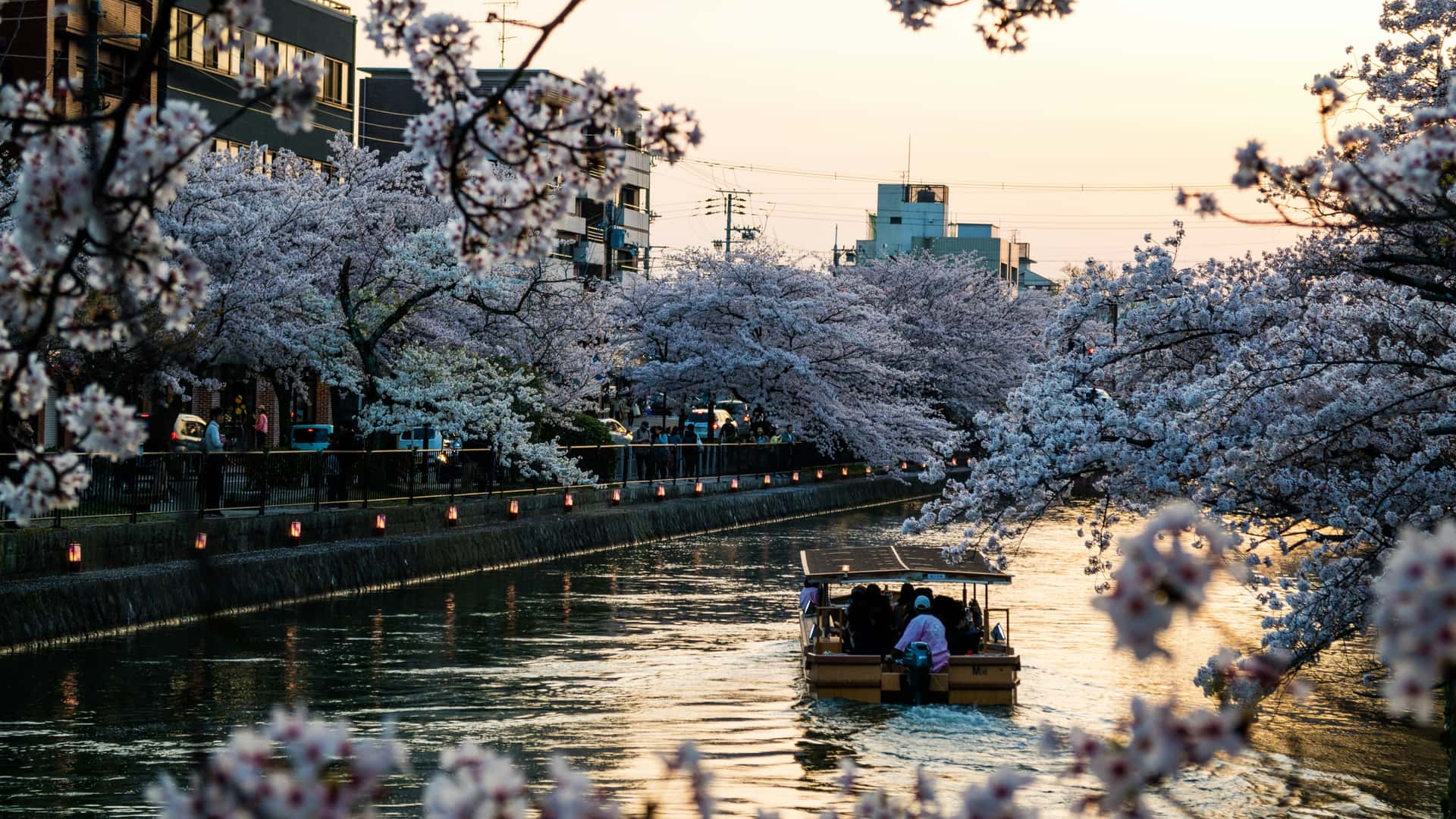
Vernal Equinox Day marks the arrival of spring and is a time for families to honor their ancestors. People visit graves to clean them and offer seasonal foods, emphasizing respect for nature and the changing seasons. The holiday encourages reflection on the balance of day and night, symbolizing renewal. Many take this opportunity to enjoy cherry blossoms and engage in hanami (flower viewing) picnics, celebrating Japan’s natural beauty.
06
Shōwa Day & Golden Week
Shōwa Day (April 29) honors the birthday of Emperor Shōwa (Hirohito), who reigned from 1926 to 1989. This holiday encourages reflection on the events and changes during the Shōwa era, including Japan’s post-war recovery and economic growth. The day marks the beginning of the Golden Week holiday period.
Constitution Memorial Day (May 3) commemorates the promulgation of Japan’s post-war constitution in 1947, reminding citizens of the importance of democracy.
Greenery Day (May 4) celebrates nature and the environment, encouraging people to appreciate the outdoors and promote conservation.